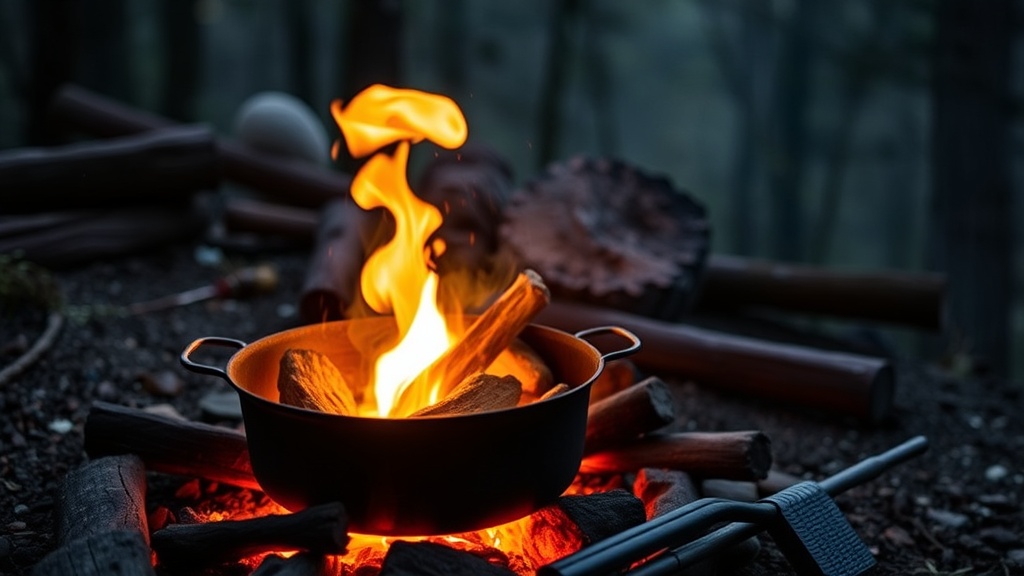
One-Pot Wonders for Stress-Free Campfire Cooking

Roughly 40% of campers report that cleaning up heavy, multi-pot cookware is the most taxing part of their trip. This post breaks down the best one-pot meal strategies for camping, focuses on the gear you actually need, and provides recipes that minimize cleanup without sacrificing flavor. We’re looking at how to cook efficient, high-calorie meals using a single heat source, whether you're using a propane stove or a cast iron skillet over an open flame.
What is the Best Cookware for One-Pot Camping?
The best cookware for one-pot meals depends on your heat source, but high-quality cast iron or lightweight aluminum is usually the standard. If you're cooking over a campfire, a 12-inch Lodge Cast Iron Skillet is the gold standard because it retains heat and can handle high temperatures. If you're a backpacker or a car camper using a portable stove, you'll want something lighter and more specialized.
I've spent enough time wrestling with heavy gear to know that weight matters. If you're driving a van or a truck, go heavy and durable. If you're hiking in, go light. Here’s a quick breakdown of common options:
| Cookware Type | Best Use Case | Pros | Cons |
|---|---|---|---|
| Cast Iron Skillet | Campfire / Fire Pit | Extreme durability; great heat retention | Very heavy; requires seasoning |
| Hard-Anodized Aluminum | Portable Gas Stove | Fast heating; lightweight | Can warp under high heat |
| Stainless Steel Pot | Multi-purpose | Non-reactive; very tough | Slow to heat; poor heat distribution |
One thing to remember: if you're using a portable stove like a Jetboil or a small Coleman burner, avoid using extreme heat on thin aluminum pans. You'll end up with a warped base that won't sit flat on your stove. That's a headache nobody needs when they're trying to boil water for coffee.
How Can You Minimize Cleanup at a Campsite?
Minimize cleanup by using ingredients that cook at similar rates and by prepping as much as possible before you leave home. The goal is to avoid having a pile of dirty dishes waiting for you when the sun goes down. I personally prefer "pre-prepped" components—chopped onions, pre-cracked eggs, or pre-cooked meats—to save time and mess.
One trick I use is the "one-pot-to-eat" rule. You cook the meal in the pot, and then you eat directly out of it (if you're feeling rugged) or use the same pot to make your tea or coffee right after. It saves you from pulling out a second vessel. It’s also helpful to keep a small tub of biodegradable soap and a scrub brush in a dedicated kit. If you're camping in a sensitive area, check the National Park Service guidelines regarding dishwashing to ensure you aren't leaving any residue behind in the ecosystem.
That said, you can't just skip the cleaning part. Even a "one-pot" meal leaves residue. I always keep a small bottle of spray-on cleaner or a damp cloth handy to wipe down the rim of the pot while the food is still warm. It makes the eventual wash much easier.
The One-Pot Meal Strategy
When you're planning your menu, think in layers. You want a base (starch), a protein, and a flavor profile (spices/liquids). A good one-pot meal should feel complete, not like a sad bowl of mush. To keep things organized, I recommend looking into organizing your kitchen storage if you're traveling in a van or small camper. It keeps your spices and oils from rattling around and spilling during the drive.
- The Base: Rice, pasta, quinoa, or even canned beans.
- The Protein: Pre-cooked sausage, canned chicken, eggs, or tofu.
- The Aromatics: Garlic, onion, or even a packet of dried seasoning.
- The Liquid: Broth, water, or even a splash of wine to deglaze the pan.
What Are Some Easy One-Pot Recipes for Campers?
Easy recipes for one-pot camping usually involve a starch and a protein combined with a liquid to create a hearty, easy-to-eat meal. You want something that doesn't require a dozen different tools to execute. Here are three of my go-to reliable recipes.
1. The "No-Fail" Campfire Chili
This is the ultimate crowd-pleaser. It's hearty, warm, and incredibly forgiving if your heat control isn't perfect. You can use a heavy Lodge Dutch oven for this. Simply brown your meat (ground beef or turkey), add a can of beans, a jar of salsa, and a bit of beef broth. Let it simmer until it thickens. It’s basically foolproof. If you want to get fancy, top it with cheese and crushed crackers right before serving.
2. Mediterranean Pasta Skillet
This is a lighter option that works well if you aren't doing a heavy hike the next day. Boil your pasta in the pan with enough water to cover it. When the water is almost gone, stir in some olive oil, sun-dried tomatoes, feta cheese, and pre-cooked chicken or chickpeas. The starch from the pasta makes a natural sauce. It’s a great way to use up whatever leftovers you have in your cooler.
3. Sausage and Potato Hash
If you're using a cast iron skillet over a fire, this is your best friend. Sauté sliced smoked sausage and diced potatoes (par-boiled at home to save time!) until the potatoes are soft and the sausage is crispy. Add some bell peppers and onions for texture. This is high-calorie fuel that'll keep you full through a cold night. It's much more satisfying than a basic hot dog.
A quick tip for the potatoes: if you're camping, don't try to cook raw, large chunks of potato from scratch. They take forever to cook and will burn on the outside before the middle is soft. Pre-boil them at home or buy the pre-cooked kind. It's a small step that prevents a lot of frustration.
One thing to keep in mind is the heat source. If you're using a gas stove, you have much more control over the temperature than you do with a wood fire. If you're using a fire, you'll need to move your pan to the edge of the coals to prevent burning. I've definitely ruined a few meals by putting a pan directly into the high-intensity flame. It's a learning curve.
If you're a morning person, you might want to pair these hearty dinners with a solid breakfast. I've written a lot about how I handle my morning routines, especially when it comes to morning coffee rituals, and the same logic applies to your cooking. A good meal is all about the ritual and the ease of execution.
When you're out in the wild, you don't want to be a gourmet chef. You want to be a person who eats well and spends more time looking at the stars than scrubbing a pan. Stick to the basics, prep your ingredients, and invest in one good piece of gear that can do the heavy lifting for you.