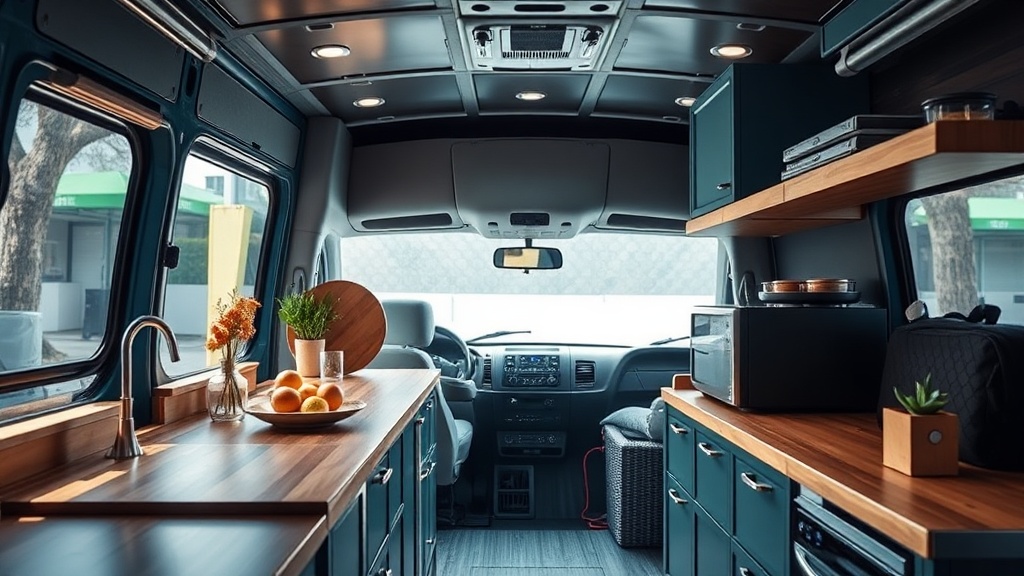
Keeping Your Van Kitchen Organized with Modular Storage Solutions

This post covers practical methods for organizing a van kitchen using modular storage, focusing on maximizing limited square footage and preventing spills during transit. You will learn how to select the right containers, categorize your pantry, and use specialized mounting systems to keep your cooking area functional while on the move.
Living in a van means your kitchen is often no larger than a single cabinet or a small countertop. When you're driving down a bumpy dirt road in the middle of nowhere, a single unsecured jar of peanut butter can become a projectile. That is why organization isn't just about aesthetics—it's about safety and efficiency.
What Are the Best Modular Storage Solutions for Van Life?
The best modular storage solutions for a van kitchen are lightweight, stackable, and secured with latches or silicone seals. You want containers that can be easily moved from a drawer to a countertop without a mess. Brands like Lock & Lock are industry standards because their airtight seals prevent spills even when the van is tilting.
When choosing your gear, think about the "Tetris" factor. You need pieces that fit together perfectly. I've found that using soft-sided pouches for things like spices and hard-shell bins for dry goods works best.
Here is a breakdown of the types of modularity you should look for:
- Nesting Containers: These save space when empty, which is a big deal in a tiny kitchen.
- Stackable Bins: Clear bins allow you to see exactly what you have without digging through everything.
- Modular Drawer Dividers: These prevent utensils from sliding around during transit.
- Magnetic Strips: Great for securing metal spice tins or knives to a wall.
If you're just starting out, don't go overboard with heavy glass jars. Glass is heavy and, frankly, a nightmare if it breaks. Stick to high-quality plastics or lightweight aluminum. If you're interested in more general organization tips, check out my previous post on clever strategies for effortless travel.
How Do I Organize a Small Van Kitchen on a Budget?
You can organize a small van kitchen on a budget by using repurposed household items and inexpensive hardware store finds. You don't need a custom-built cabinetry system to keep things tidy. A lot of the best solutions actually come from the kitchen pantry or the garage.
One of my favorite hacks is using heavy-duty command hooks or bungee cords. If you have a shelf that feels a bit too "wobbly," a single bungee cord across the front can save you from a mountain of spilled flour. It’s a cheap, effective way to add stability.
Consider these low-cost alternatives to high-end van builds:
- Shoe Organizers: Use a hanging fabric shoe organizer on the back of a seat or a door to hold small items like spice packets, tea bags, or even cleaning cloths.
- Plastic Crates: A simple plastic crate can act as a mobile pantry that you can pull out of a cabinet and place on a table.
- Binder Clips: These are great for clipping open bags of chips or coffee to keep them airtight.
I often see people spending thousands on custom CNC-cut wooden organizers. That is fine if you have the budget, but for most of us, a $5 plastic bin from a big-box store does the exact same job. The goal is utility, not luxury.
One thing to watch out for is weight distribution. If you pile all your heavy canned goods on one side of the van, it can affect your driving dynamics. Keep your heaviest items low and centered.
How Much Space Do I Need for a Functional Van Pantry?
A functional van pantry typically requires about 10-15% of your total available storage volume. This depends heavily on how much you cook and how long you stay in one spot. If you are a person who enjoys complex meals, you'll need more depth; if you mostly eat dehydrated meals, you can go much smaller.
I've put together a comparison of common storage methods to help you decide which fits your lifestyle. It's a trade-off between space-saving and accessibility.
| Storage Method | Pros | Cons | Best For |
|---|---|---|---|
| Stackable Bins | Highly organized, easy to see contents | Takes up more vertical space | Dry goods (pasta, rice, flour) |
| Soft Pouches | Very lightweight, easy to compress | Harder to stack or organize | Spices, tea, and small snacks |
| Magnetic Strips | Zero footprint on shelves | Only works with metal items | Knives and metal spice tins |
| Drawer Inserts | Keeps items from sliding | Requires a drawer or cabinet | Utensils and cutlery |
When you're planning your kitchen layout, remember that you'll likely be cooking in different environments. Sometimes you're at a campsite, and sometimes you're at a rest stop. Having a "modular" approach means you can grab one bin and move your entire cooking station to a picnic table in seconds.
For more details on how to manage your gear during long hauls, the National Highway Traffic Safety Administration provides great resources on vehicle safety and how unsecured cargo can impact vehicle handling. It's worth a read if you're worried about your gear flying around during a sudden stop.
The reality of van life is that things get messy. You'll spill something. You'll drop a spoon. The trick isn't to achieve perfection—it's to build a system that makes it easy to clean up and reset. If your storage is modular, a spill in one bin doesn't mean a spill in the whole van.
I've spent many nights trying to find a single packet of salt in a cluttered cabinet while it was raining outside. It's frustrating. But once you switch to labeled, stackable, and secured containers, that frustration disappears. It makes a massive difference in your quality of life.
Don't feel pressured to buy the most expensive gear right away. Start with a few basic bins and see how you actually use your space. You might find that you don't even need a pantry because your countertop-to-shelf workflow is actually quite efficient.
One thing to remember: always check your labels. It sounds simple, but when you're tired and hungry, you don't want to realize your "sugar" container is actually salt. Use a permanent marker or a label maker to keep things clear.
Whether you are building a high-end Sprinter or a basic van conversion, the principles remain the same. Minimize clutter, maximize stability, and keep everything reachable. Your future, hungry, tired self will thank you.