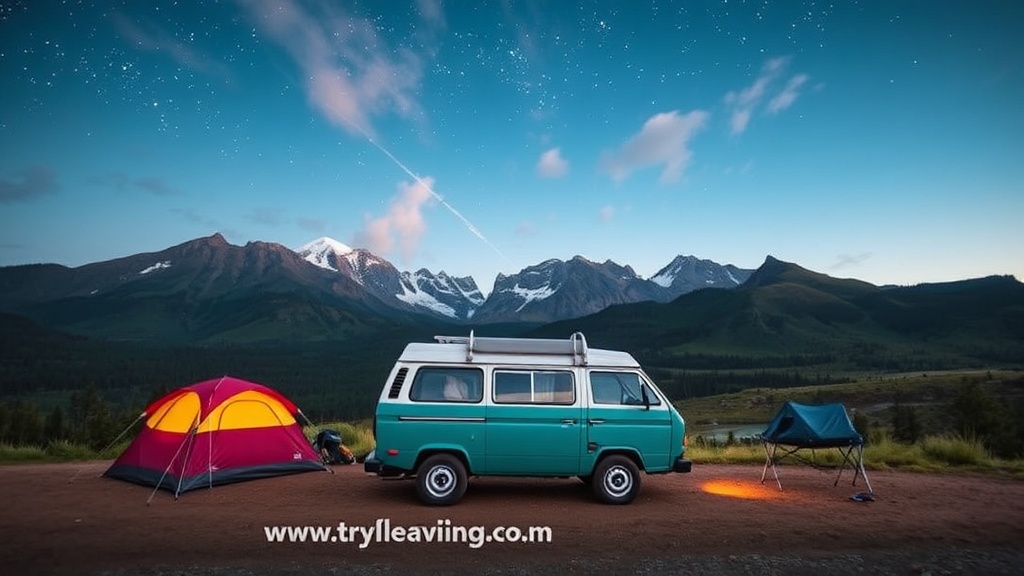
Scenic Weekend Camping Road Trips Within Three Hours of the City

Within a three-hour drive, you'll find campsites, hiking trails, and quiet lakes that turn an ordinary Saturday into a real escape. This guide maps out five distinct weekend camping road trips from the city, each selected for scenery, manageable drive time, and spots where you can pitch a tent or park an RV without fighting crowds all season. Whether you're after mountain views, waterfront relaxation, or forested solitude, here's where to point the vehicle next Friday afternoon.
What Are the Best Scenic Camping Destinations Within Three Hours of Nashville?
The best options balance driving time with dramatic landscapes. Within three hours of Nashville, the Cumberland Plateau, the Great Smoky foothills, and the Land Between the Lakes region offer the strongest variety. Each area has developed campgrounds, primitive sites, and trail networks that reward a quick two-night stay.
Fall Creek Falls State Park, Tennessee
About two and a half hours east of Nashville, Fall Creek Falls sits atop the Cumberland Plateau and holds one of the highest waterfalls in the eastern United States. The park operates 222 campsites across three campgrounds, plus a small number of cabins. Sites at Fall Creek Falls Campground (the main loop) book fast on weekends, so reservations through the Tennessee State Parks website are strongly recommended. The park's trail system covers 56 miles. The Gorge Loop—roughly 12 miles—delivers the best payoff for a single day's effort.
Here's the thing: cell service is spotty. That's part of the appeal, but you'll want to download offline maps beforehand. The park entrance fee is $5 per person for day hikers; campers pay only the overnight rate.
Land Between the Lakes National Recreation Area, Kentucky/Tennessee
Two hours northwest, this 170,000-acre peninsula between Kentucky Lake and Lake Barkley offers some of the most relaxed waterfront camping in the region. Energy Lake Campground sits on a smaller, quieter lake inside the recreation area and tends to have better weekend availability than the larger lakefront options. Sites are grassy, mostly shaded, and many have water access for kayaks.
The catch? The campgrounds here are more rustic than state park standards. Don't expect paved pads or full hookups at every site. That said, the trade-off is worth it for sunrise paddles and the lack of light pollution. The USDA Forest Service manages reservations for the developed campgrounds.
Great Smoky Mountains National Park — Cades Cove
About three hours southeast, Cades Cove Campground remains the most accessible front-country option in the Smokies. The loop road offers 11 miles of valley views, historic cabins, and some of the best wildlife watching in the park. The campground itself has 159 sites, flush toilets, and cold running water. No hookups. No showers. The National Park Service opens reservations several months in advance, and summer weekends disappear quickly.
For a less crowded alternative inside the park, consider Elkmont Campground. It's 30 minutes closer to Nashville and sits along the Little River. The firefly season in late May and early June draws crowds, but September weekends feel almost private.
How Should You Pack for a Weekend Camping Road Trip?
Pack for the campsite type, not the weather forecast alone. Front-country campgrounds with drive-up sites allow heavier gear. Backcountry or walk-in sites demand lighter, more compact loads. A three-hour drive means you can afford to bring a few comfort items—just don't overfill the vehicle.
Start with shelter and sleep. A reliable three-season tent like the REI Co-op Half Dome SL 2+ handles most spring-through-fall conditions in this region. Pair it with a sleeping bag rated 10 degrees below the expected low. Tennessee and Kentucky nights can drop into the 40s even in June at higher elevations. An inflatable pad—something like the Therm-a-Rest NeoAir XLite—adds insulation from the ground and packs small.
For cooking, a two-burner propane stove (the Coleman Classic Propane Stove is a proven choice) covers breakfast and dinner without building a fire. Bring a cooler that can hold ice for 48 hours. The YETI Tundra 45 performs well, though any rotomolded cooler in the 35- to 50-quart range works for a short trip. (If you're trying to keep costs down, the RTIC 45 offers similar ice retention at a lower price.)
Worth noting: many campgrounds in this radius ban outside firewood to slow the spread of invasive pests. Buy bundles locally or pick up certified heat-treated firewood from a grocery store or park office near your destination.
| Campground Type | Best Vehicle | Key Gear Priority | Typical Nightly Cost |
|---|---|---|---|
| Developed State Park | Car, SUV, small RV | Reservation confirmation, camp chairs | $25–$40 |
| National Park Front-Country | Car, SUV | Bear canister or bag, headlamp | $30 |
| National Recreation Area | Truck, SUV, camper | Water containers, kayak if available | $20–$35 |
| Primitive / Dispersed | High-clearance vehicle | Water filtration, trowel, GPS | Free–$15 |
What Driving Routes Deliver the Most Scenic Value?
The highways between Nashville and these campgrounds aren't just connectors. Several stretches qualify as attractions on their own. Taking the longer scenic route often adds only 15 to 30 minutes—and the payoff is substantial.
For Fall Creek Falls, skip Interstate 40 east of Cookeville. Instead, take Highway 111 south to Spencer, then cut east on Highway 30. This ridge road rolls through the Bridgestone Centennial Wilderness area and crosses the Caney Fork River at a low-water bridge with pull-offs for photos. The asphalt is narrow in places, but it's paved the entire way.
Heading to Land Between the Lakes, Highway 79 from Clarksville to Dover follows the Cumberland River for long stretches. In autumn, the bluff lines reflect deep reds and oranges. There's a public boat ramp near Bumpus Mills that makes a good leg-stretching stop.
For the Smokies, the obvious choice is State Route 73 through Townsend—the "Peaceful Side of the Smokies." It avoids the Pigeon Forge traffic entirely. From Townsend, Little River Road climbs 18 miles into the park, paralleling one of the clearest mountain streams in Appalachia. Pull off at any of the paved picnic areas. The water stays cold enough for a quick wade even in July.
Timing the Drive
Friday evening traffic around Nashville starts building by 3:00 p.m. If leaving after work, expect delays on I-440 and I-65 south until you clear Franklin. Here's the thing: leaving by 4:30 p.m. usually beats the worst of it. For Cades Cove, arriving after dark means setting up by headlamp. The gates to the loop road close at sunset, so late arrivals must camp first and explore the cove in the morning.
That said, Saturday sunrise departures work surprisingly well for the closer destinations. You can leave Nashville at 6:00 a.m., reach Fall Creek Falls by 8:30, and still claim a prime picnic spot before the day-trippers arrive at 10:00.
What Activities Fill a Two-Day Camping Weekend?
A well-planned weekend mixes one major outing with smaller, low-effort moments. Burn all your energy on Saturday's hike, then slow down Sunday morning with coffee by the fire and a short walk before packing up.
At Fall Creek Falls, the must-do hike is the Cable Trail down to the base of the main falls. It's steep—over 300 wooden steps—and not suitable for anyone with knee issues. (The overlook at the top is an easy alternative.) On Sunday, the Piney Creek Falls trail is a gentler 2.4-mile loop through hemlock forest.
In Land Between the Lakes, rent a kayak from Brandon Spring Group Center or bring your own. The paddle from Energy Lake to the canal connecting Kentucky Lake is calm, flat water with good fishing for crappie and bass. Evenings here are best spent at the Golden Pond Planetarium—the outdoor observatory runs programs on clear weekends.
Cades Cove rewards early risers. The loop road opens at sunrise, and the first hour is when deer, turkeys, and black bears are most active. Cyclists can ride the loop road on Wednesday and Saturday mornings before 10:00 a.m., when vehicle traffic is banned. No bike? Bring sturdy walking shoes and cover a section on foot.
Campfire Cooking for Short Trips
With only two nights, simple meals win. Breakfast tacos scrambled in a cast-iron skillet take ten minutes and require minimal cleanup. Dinner can be as easy as foil packets—chicken thighs, potatoes, and bell peppers seasoned with salt, pepper, and smoked paprika. Toss the packets directly on the coals.
For coffee, the AeroPress Go produces excellent results without the bulk of a full pour-over setup. If you're camping with a group, the Stanley Adventure All-In-One Boil + Brew French Press doubles as a kettle and brewer.
"Camping is the answer. Who cares what the question is." — Author Unknown
Weather Considerations by Season
Spring brings unpredictable storms. The Cumberland Plateau sees more rain than Nashville proper, and flash flooding in gorge campgrounds is a real risk. Check the National Weather Service forecast for the specific county where you're camping—not just the city forecast.
Summer means humidity and mosquitoes. A screened shelter (the REI Co-op Screen House Shelter is a solid pick) creates a bug-free zone for meals and card games. Fall is the driest, most comfortable season for this region. October weekends at Cades Cove require reservations months ahead. Winter camping is underrated here—temperatures rarely drop below 20°F, and you'll have entire campgrounds to yourself.
How Do You Reserve Campsites and Avoid Common Mistakes?
Most campgrounds within this radius use one of three reservation systems: Tennessee State Parks (ReserveAmerica), the National Park Service (Recreation.gov), or the USDA Forest Service. Create accounts ahead of time. Popular sites for holiday weekends often release in blocks six months out and sell out within minutes.
One common mistake is booking based on the campground name without checking the site map. Not every site in a loop is desirable. Some sit on steep grades. Others back up to restrooms or generator-use areas. Spend the extra five minutes reviewing the map before clicking "reserve."
Another mistake: assuming all campsites allow fires. During drought periods, county and state burn bans override campground policies. Call the ranger station the day before departure to confirm current restrictions. It's better to pack a camp stove and not need a fire than to arrive with a cooler full of s'mores ingredients and no legal way to toast the marshmallows.
The catch? Cancellation policies vary. Tennessee State Parks typically refund minus a processing fee if you cancel more than 72 hours out. Recreation.gov sites often forfeit the first night's fee. Read the fine print before you book multiple campgrounds "just in case."
Weekend camping road trips don't require weeks of planning or cross-country mileage. Within three hours of Nashville, the terrain shifts from city skyline to sandstone gorges, mountain valleys, and quiet lakeshores. Pick one destination. Book the site. Load the cooler Friday after work. By Saturday morning, the only thing on the schedule is watching the fire settle into coals.