5 Hidden Gem Campgrounds for Unforgettable Weekend Escapes

Lake Serenity Campground, Oregon
Pine Ridge National Forest, Colorado
Hidden Cove Recreation Area, Tennessee
Redwood Basin Campground, California
Crystal Falls State Park, Michigan
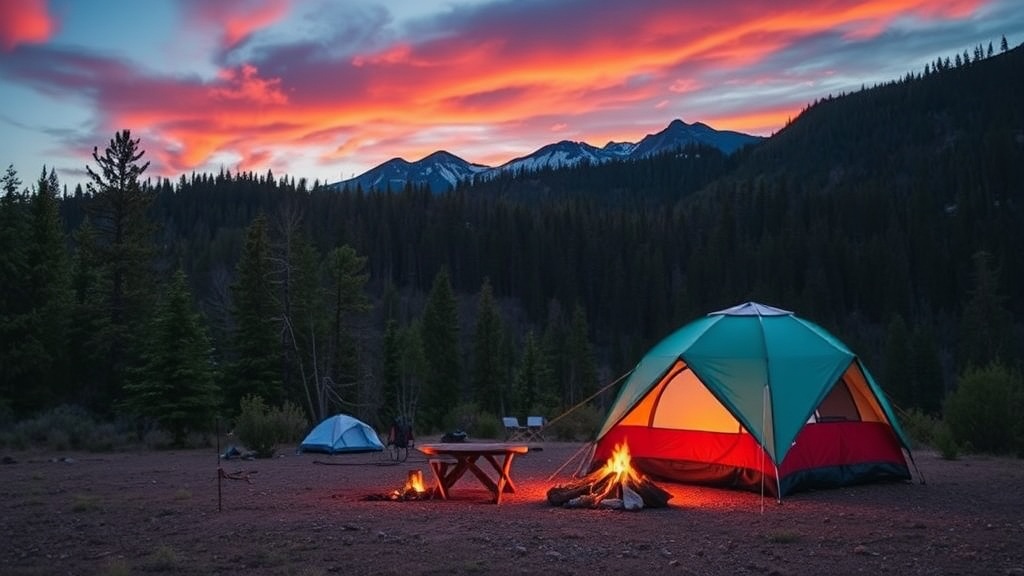
Weekend camping doesn't have to mean fighting for a spot at overcrowded state parks or pitching a tent within earshot of fifty other families. This post highlights five lesser-known campgrounds across the United States that offer stunning scenery, genuine solitude, and memorable outdoor experiences—all within a few hours' drive of major cities. These aren't the Instagram-famous destinations that book up six months in advance. They're quiet corners where you can actually hear the crickets, see the stars, and return home feeling like you truly escaped.
What Makes a Campground a "Hidden Gem"?
A hidden gem campground typically sits outside major tourist corridors, lacks flashy marketing, and often requires a bit more effort to reach—but rewards visitors with lower crowds, natural beauty, and authentic outdoor experiences.
The best ones share a few traits: limited cell service (a feature, not a bug), sites spaced for privacy, and access to trails or water without the theme-park atmosphere. Some operate on a first-come, first-served basis exclusively. Others sit on county or municipal land that casual travelers simply overlook. Worth noting: "hidden" doesn't mean "secret." These places welcome visitors—they just haven't been discovered by the masses yet.
Here's the thing about booking: many of these spots don't appear on Recreation.gov or Hipcamp. You'll need to call ranger stations, check county websites, or simply show up early on a Friday. The uncertainty adds a small adventure before the main one begins.
1. Takhlakh Lake Campground, Washington
Nestled in the Gifford Pinchot National Forest, this 53-site campground sits at 4,400 feet elevation with jaw-dropping views of Mount Adams reflected in crystal-clear alpine water. It's quiet. It's cold at night even in August. And it's absolutely worth the washboard Forest Service roads to get there.
Sites 15 and 16 offer the best lake views—arrive before noon on Friday for a shot at them. The campground provides vault toilets and hand-pump water (bring a filter as backup), but no hookups. Cell service? Practically nonexistent. That's the point.
The real draw here is the access to high-country hiking without the Mount Rainier crowds. The Takhlakh Lake Trail loops 1.5 miles around the water—perfect for morning coffee walks. More ambitious hikers can connect to the Pacific Crest Trail or summit Mount Adams via the South Climb route (permit required).
Pack the Jetboil Flash for quick morning coffee—morning temperatures often dip into the 40s even mid-summer. And bring the REI Co-op Trail Hut 4 tent; the wind coming off the glacier can surprise you.
2. Black Canyon Campground, New Mexico
Most travelers blow past this spot on their way to the better-known Bandelier National Monument or Valles Caldera. That's their loss. Black Canyon sits in the Santa Fe National Forest about an hour from Santa Fe, offering 40 sites tucked among ponderosa pines at 7,800 feet.
The elevation means cool summer nights—ideal for sleeping bags rather than stuffy RV air conditioning. Each site includes a picnic table and fire ring. The camp host sells firewood, but bring your own kindling; afternoon thunderstorms are common July through September.
What elevates this campground (pun intended—though technically banned, but who's checking?) is the proximity to the Bandelier backcountry. You can day-hike into Frijoles Canyon at dawn, beat the tour buses, and return to your quiet campsite by lunch. The nearby Jemez Mountain Trail Scenic Byway offers one of the prettiest drives in the Southwest—hot springs included.
3. Jedediah Smith Redwoods State Park — Mill Creek Campground, California
Everyone flocks to Prairie Creek for the Roosevelt elk. Smart campers head 20 minutes north to Mill Creek. This campground places you deep in old-growth redwood forest—some trees dating back 1,500 years—without the reservation warfare required at more famous parks.
The catch? Mill Creek closes seasonally (roughly November through May depending on weather), and the road in features several creek crossings. A standard sedan can handle it in dry conditions. After rain, high-clearance vehicles have the advantage.
Campsites feel private thanks to dense understory vegetation—ferns, rhododendrons, and huckleberry bushes create natural barriers between you and neighbors. The Stargaze Recliner Luxury Camp Chair earns its name here; limited light pollution means spectacular night sky viewing.
Day trips include the Trees of Mystery gondola ride (touristy but genuinely fun) and Fern Canyon—yes, the one from Jurassic Park 2. Pack a Sea to Summit Pocket Towel; morning condensation here is serious business.
Where Can You Find Pet-Friendly Hidden Gem Campgrounds?
All five campgrounds listed here welcome well-behaved dogs, though leash rules vary by location and season.
Takhlakh Lake requires six-foot leash compliance at all times—Mt. Adams Ranger District enforces this. Black Canyon allows off-leash dogs at your site but requires control on trails. Mill Creek follows standard California State Park rules: leashed in developed areas, voice control permitted on backcountry trails.
Here's the thing about camping with dogs at lesser-known spots: fewer people means less stress about barking or territorial behavior. That said, wildlife encounters happen. Black bears roam all three western locations. Rattlesnakes appear at Black Canyon. Keep dogs close, carry treats for recall reinforcement, and pack the Ruffwear Approach Pack so your pup carries their own water and poop bags.
4. Poverty Point Reservoir State Park, Louisiana
This one's a curveball. Most campers overlook Louisiana entirely for outdoor recreation—and that's exactly why Poverty Point works. The campground sits on a 2,700-acre reservoir in the northeastern part of the state, offering 54 sites with water and electric hookups plus three premium waterfront spots.
Yes, it's hot. Yes, it's humid. But the fishing here rivals anything in the South—bass, crappie, catfish. The lake allows boating, skiing, and swimming. The campground features actual showers (a luxury after the primitive options above) and even WiFi at the visitor center for emergencies.
The nearby Poverty Point UNESCO World Heritage Site contains ancient Native American earthworks dating back 3,400 years. It's fascinating. It's weird (in the best way). And it adds educational weight to your weekend that most camping trips lack.
Come prepared. The Thermacell Patio Shield isn't optional here—it's survival gear. Mosquitoes own this territory. Also pack the Yeti Tundra Haul wheeled cooler; you'll want ice retention in 90-degree heat.
5. Hickory Run State Park — Riverside Campground, Pennsylvania
The Poconos draw crowds for ski weekends and waterparks. Hickory Run—specifically the smaller Riverside Campground area—offers something completely different. This 15,990-acre park contains boulder fields, waterfalls, and some of the clearest stream fishing in the East.
Riverside contains only 30 sites compared to the main campground's 300+. Sites 7 through 12 sit closest to the stream—book early or arrive Wednesday. Each site accommodates tents or small RVs, with modern bathhouses within walking distance.
The Boulder Field—a National Natural Landmark—spreads 16 acres of glacier-deposited rocks in a surreal moonscape. Hike it at sunset. The photos will break Instagram (if you choose to post them—no judgment either way).
Nearby, the town of Jim Thorpe offers post-camping civilization: breweries, historic architecture, and the Lehigh Gorge Scenic Railway for rest-day activities. That said, you might just want to extend your stay and skip town entirely.
Which Hidden Gem Campground Should You Choose?
The right choice depends on your gear, your group, and your tolerance for roughing it.
| Campground | Best For | Hookups | Reservations | Drive Time From Major City |
|---|---|---|---|---|
| Takhlakh Lake | Mountain views, hiking purists | No | First-come only | 2.5 hrs from Portland |
| Black Canyon | Desert solitude, hot springs access | No | Recreation.gov (limited) | 1 hr from Santa Fe |
| Mill Creek | Old-growth forests, foggy mornings | No | ReserveCalifornia.com | 5 hrs from San Francisco |
| Poverty Point | Fishing families, comfort campers | Yes | LaStateParks.com | 4 hrs from New Orleans |
| Hickory Run Riverside | East Coast accessibility, boulder hiking | No | ReserveAmerica.com | 1.5 hrs from Philadelphia |
Worth noting: none of these destinations require specialized vehicles (except potentially Mill Creek during wet weather), and all accommodate standard car-camping setups. The Kelty Discovery 4 tent, Coleman Triton 2-Burner Stove, and a basic cooler represent sufficient gear for any of them.
What Should You Pack for a Hidden Gem Camping Trip?
Preparation matters more when campgrounds lack camp stores, emergency services, and reliable cell coverage.
Beyond standard camping gear, pack: a physical map (the paper kind—learn to read it), extra water storage, a whistle for emergencies, and cash for the camp host. Many hidden gems operate on honor systems or exact-change boxes. The Garmin inReach Mini 2 provides peace of mind for solo travelers or those heading deep into areas like Takhlakh's backcountry.
Food planning requires extra thought. The nearest grocery to Black Canyon is 45 minutes away. Poverty Point has limited options nearby. Stock up before you arrive. The RTIC Soft Cooler 40 keeps provisions cold through a hot weekend without the bulk of hard-sided alternatives.
"The best campsites aren't found on the first page of Google. They're discovered through slightly outdated blog posts, Forest Service bulletin boards, and conversations with people who spend more time outdoors than online."
That said, the internet has its place. Check recent reviews on Campendium or FreeRoam for current road conditions and water availability. Rangers update these platforms more consistently than official websites.
Weekend escapes shouldn't feel like consolation prizes—settling for whatever spot remains because you planned too late. These five campgrounds prove that exceptional outdoor experiences exist beyond the reservation system wars. They require flexibility, a bit of research, and willingness to drive that extra hour past the crowded places. The reward? A campsite that feels discovered rather than assigned. A weekend that actually resets you. And the kind of stories worth telling—without the caveat about the noisy RV generator three feet away.
Pick one. Check the weather. Load the car Thursday night. By Friday afternoon, you'll be somewhere most people haven't found yet.